|
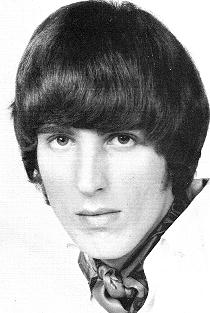
 Johnnie Walker From Hampton-in-Arden, near Birmingham, he was born Peter Dingley on 30th March 1945. After leaving Solihull public school at the age of 15, he worked as a
second-hand car salesman and disco DJ under the name “Peter Dee.” He joined “Swinging” Radio England at its start in May 1966 but was told he would have to change his name as Peter Dee was too similar to that
of another DJ, Roger Day. He chose his new identity from a tape of American radio jingles and became “Johnnie Walker.” In October he moved to Caroline South as the station swing-jock,
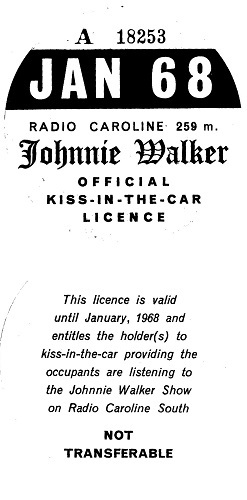
deputising for whichever DJ was on shore-leave. He soon took over the 9-midnight show which he quickly made his own. Johnnie's very intimate personal style of broadcasting was hugely popular and his Kiss in the Car,
Frinton Flashing and Ten O'Clock Turn On features broke new ground in British radio. His theme tune was Duane Eddy's Because They're Young. In 1967 he began
referring to himself as “Sir” Johnnie Walker after being inexplicably left off the New Year Honours list. Johnnie was at the forefront of the mid-sixties soul boom and was President of “Uptight'n'Outtasight,”
the Atlantic Records Appreciation Society. He stayed with Caroline despite the passing of the Marine Offences Act and shared the duties of Programme Controller and Senior DJ for the South ship with Robbie
Dale. Their programme at midnight on 14th August 1967, as the Act became law, must have had the largest offshore audience ever. Caroline closed down in March 1968 and a year later Johnnie joined BBC Radio One. After a short series
of Saturday afternoon shows he moved to a regular daily slot. Despite the success of this show he was not happy playing the chart hits of the day and decided to try his luck in America. In June 1976 he left Radio One for KSAN, San
Francisco. While in the States he sent over taped shows for Radio Luxembourg. He returned to the UK in 1981 and worked for Radio West and GWR. In January 1987 Johnnie rejoined Radio One to present its Saturday Stereo Sequence,
moving in July 1988 to Radio Radio, Virgin's night-time syndication service. In October he joined GLR, the BBC's local station for London. Two years later he was on the move again to the BBC's new Radio 5 and, in August 1991,
returned to Radio One. In 1998 he transferred to Radio Two and, apart from a hiccup in his career following a tabloid newspaper story and a break from broadcasting due to colon cancer, Johnnie was one of the networks most popular and
long-serving DJs. In May 2004, at the Sony Radio Awards, Elton John presented Johnnie with a gold award to mark his outstanding contribution to radio, in December 2005 he was inducted into the
Audio Academy's Hall of Fame and, in the New Year Honours list of 2006, he received an MBE. Johnnie retired in October 2024 because of ill health,
suffering from pulmonary fibrosis, and died on New Years Eve 2024. His Autobiography was published in 2007. For more photos and
recordings, check out Spotlight On Johnnie Walker and Morris Brown's and Sheridon Street's photo albums. There is a video of Johnnie broadcasting on
Radio Caroline South here. There are also more recent photos taken at Caroline's 40th birthday party, the Radio England 40th anniversary reunion, the
Radio Academy Celebration of Offshore Radio, the 2007 and 2009 Pirate BBC Essex broadcasts. Our tribute to this great broadcaster is
here. (Thanks to Johnnie for the kind comments: “Great looking site and so nice to be honoured.” This photo published by The Johnnie Walker Fan Club. ‘Kiss In The Car’ license
generously provided by Stephen Richards.)
Johnnie Walker From Hampton-in-Arden, near Birmingham, he was born Peter Dingley on 30th March 1945. After leaving Solihull public school at the age of 15, he worked as a
second-hand car salesman and disco DJ under the name “Peter Dee.” He joined “Swinging” Radio England at its start in May 1966 but was told he would have to change his name as Peter Dee was too similar to that
of another DJ, Roger Day. He chose his new identity from a tape of American radio jingles and became “Johnnie Walker.” In October he moved to Caroline South as the station swing-jock,
deputising for whichever DJ was on shore-leave. He soon took over the 9-midnight show which he quickly made his own. Johnnie's very intimate personal style of broadcasting was hugely popular and his Kiss in the Car,
Frinton Flashing and Ten O'Clock Turn On features broke new ground in British radio. His theme tune was Duane Eddy's Because They're Young. In 1967 he began
referring to himself as “Sir” Johnnie Walker after being inexplicably left off the New Year Honours list. Johnnie was at the forefront of the mid-sixties soul boom and was President of “Uptight'n'Outtasight,”
the Atlantic Records Appreciation Society. He stayed with Caroline despite the passing of the Marine Offences Act and shared the duties of Programme Controller and Senior DJ for the South ship with Robbie
Dale. Their programme at midnight on 14th August 1967, as the Act became law, must have had the largest offshore audience ever. Caroline closed down in March 1968 and a year later Johnnie joined BBC Radio One. After a short series
of Saturday afternoon shows he moved to a regular daily slot. Despite the success of this show he was not happy playing the chart hits of the day and decided to try his luck in America. In June 1976 he left Radio One for KSAN, San
Francisco. While in the States he sent over taped shows for Radio Luxembourg. He returned to the UK in 1981 and worked for Radio West and GWR. In January 1987 Johnnie rejoined Radio One to present its Saturday Stereo Sequence,
moving in July 1988 to Radio Radio, Virgin's night-time syndication service. In October he joined GLR, the BBC's local station for London. Two years later he was on the move again to the BBC's new Radio 5 and, in August 1991,
returned to Radio One. In 1998 he transferred to Radio Two and, apart from a hiccup in his career following a tabloid newspaper story and a break from broadcasting due to colon cancer, Johnnie was one of the networks most popular and
long-serving DJs. In May 2004, at the Sony Radio Awards, Elton John presented Johnnie with a gold award to mark his outstanding contribution to radio, in December 2005 he was inducted into the
Audio Academy's Hall of Fame and, in the New Year Honours list of 2006, he received an MBE. Johnnie retired in October 2024 because of ill health,
suffering from pulmonary fibrosis, and died on New Years Eve 2024. His Autobiography was published in 2007. For more photos and
recordings, check out Spotlight On Johnnie Walker and Morris Brown's and Sheridon Street's photo albums. There is a video of Johnnie broadcasting on
Radio Caroline South here. There are also more recent photos taken at Caroline's 40th birthday party, the Radio England 40th anniversary reunion, the
Radio Academy Celebration of Offshore Radio, the 2007 and 2009 Pirate BBC Essex broadcasts. Our tribute to this great broadcaster is
here. (Thanks to Johnnie for the kind comments: “Great looking site and so nice to be honoured.” This photo published by The Johnnie Walker Fan Club. ‘Kiss In The Car’ license
generously provided by Stephen Richards.)
 Johnnie Walker on “Swinging” Radio England on the evening of 23rd June 1966. Edited from a recording included on ‘The SRE Collection’ mp3-DVD, compiled by the
Offshore Radio Guide (duration 4 minutes 23 seconds)
Johnnie Walker on “Swinging” Radio England on the evening of 23rd June 1966. Edited from a recording included on ‘The SRE Collection’ mp3-DVD, compiled by the
Offshore Radio Guide (duration 4 minutes 23 seconds)
Johnnie Walker on his last legal show on Radio Caroline South, 14th August 1967, just hours before the Marine Offences Act became law. This clip contains extracts from two recordings made available by
The Offshore Radio Archive (duration 4 minutes 14 seconds)
Johnnie championed the career of soul singer Otis Redding. Otis died in a plane crash on 10th December 1967, along with members of The Bar-Kays. Johnnie was on shore-leave at the time but broadcast a special
tribute to him as soon as he was back on the ship. These clips from that tribute programme have been kindly provided by Stuart Aiken (duration 2 minutes 55 seconds)
Jon Walker Radio Sutch and its successor, Radio City, had a rapid turn-over of disc-jockeys during 1964/5. Many different voices were heard, briefly, then disappeared. This
was mainly because of station boss Reg Calvert's tendency to take on “work experience” broadcasters, then pay them off after a couple of weeks. One of these short-term DJs was Jon Walker.
He appeared on Radio Sutch towards the end of its life, and stayed on as Radio City was launched. (During a brief cross-over period the station was referred to as “Radio City, the station that was created by
Screaming Lord Sutch”.) Jon served alongside Chris Cross, one of the station's mainstays during this period and Brian Paull, whose life
Jon saved when Brian got into difficulties swimming from the fort. Although Jon was only on Shivering Sands for a short time and was, by his own admission, “a pretty crumby DJ!”, he went on to have a long career in the
media. He worked for the Canadian broadcaster CBC, then Photomotion doing back projected animations for the BBC's 24 Hours programme. He became a technical operator for BBC radio before going to New Zealand, working for the
National Film Unit. He returned to the UK and a job as a sound recordist at Ealing Studios, then to BBC news and current affairs, later becoming a producer with BBC television. (Many thanks to Jon for getting in touch and Bob
Le Roi for some of the above information.)
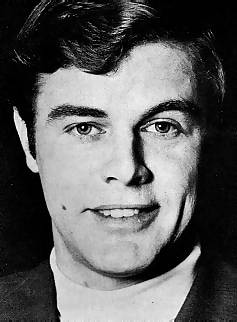 Willy Walker Born in Bermuda on 25th July 1939, but educated in England, Willy had previously worked as a dental technician and in a bank. While living in Bermuda he met up
with a couple of disc-jockeys who later joined Radio London: Duncan Johnson and Mike Lennox. Coming over to the UK to visit his sister, Willy stayed with his DJ
mates and, before long, was persuaded to join them on the ship. After a week on board learning the ropes, he replaced Graham Gill in the schedule on the 24th May 1966. He only stayed until July that
first time with the station but the following May he returned to Radio London where he remained until the final close-down. His theme tune was an instrumental version of
Maybe The Last Time by James Brown. Offshore historian Hans Knot tells us he also used Skyliner by the
Mitch Murray Clan. He returned to Bermuda and was heard on ZBM-FM, before moving onto ZBM1 AM's afternoon show, and then the morning show on ZBM2 (also AM). He also did some sailing reporting for ZBM TV
and, at night, would MC at the hotels introducing cabaret acts. He left broadcasting in 1971. When we last heard from Willy he was based in Fort Lauderdale, Florida, and was working at sea again, as a yacht captain. There is a
picture of him celebrating a birthday with some of his old ship-mates here. Willy has also very kindly sent us some pictures from his time on Radio London. See the DJs' photo album.
(Thanks to Stuart Craigen for the theme tune information. This photo from ‘Time & Tide’ magazine.)
Willy Walker Born in Bermuda on 25th July 1939, but educated in England, Willy had previously worked as a dental technician and in a bank. While living in Bermuda he met up
with a couple of disc-jockeys who later joined Radio London: Duncan Johnson and Mike Lennox. Coming over to the UK to visit his sister, Willy stayed with his DJ
mates and, before long, was persuaded to join them on the ship. After a week on board learning the ropes, he replaced Graham Gill in the schedule on the 24th May 1966. He only stayed until July that
first time with the station but the following May he returned to Radio London where he remained until the final close-down. His theme tune was an instrumental version of
Maybe The Last Time by James Brown. Offshore historian Hans Knot tells us he also used Skyliner by the
Mitch Murray Clan. He returned to Bermuda and was heard on ZBM-FM, before moving onto ZBM1 AM's afternoon show, and then the morning show on ZBM2 (also AM). He also did some sailing reporting for ZBM TV
and, at night, would MC at the hotels introducing cabaret acts. He left broadcasting in 1971. When we last heard from Willy he was based in Fort Lauderdale, Florida, and was working at sea again, as a yacht captain. There is a
picture of him celebrating a birthday with some of his old ship-mates here. Willy has also very kindly sent us some pictures from his time on Radio London. See the DJs' photo album.
(Thanks to Stuart Craigen for the theme tune information. This photo from ‘Time & Tide’ magazine.)
Willy Walker on the 9-midnight show on Radio London from 11th August 1967. Although Duncan Johnson was probably pleased to hear his friend mentioning his birthday, he was undoubtedly
less than delighted with Willy saying it was his fortieth. Duncan was 29 that month! The address Willy mentions is that of a photographic studio in which Duncan owned a share. Many thanks to Stuart Russell for the
tape (duration 2 minutes 52 seconds)
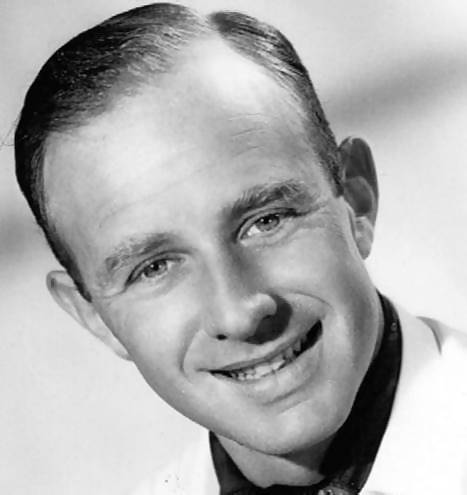 Bob Walton Born in Auckland, New Zealand, Bob joined the NZBC when he left school. He combined his career as a broadcaster with that of musician. A pianist and composer, his
trio was frequently heard on the radio and they backed many visiting artistes. In 1964 Bob came to the UK and worked on Radio Caroline South for a short time. He then returned to New Zealand to resume his musical career with the
trio. In May 1965 he was back on Caroline South as one of the “Good Guys” (see the entry on Roger Gale for more details). After the failure of the “Good Guy” experiment and the
take-over of Caroline South by the Caroline North team, there was a wholesale change of personnel. However Bob returned to Caroline for a third stint in the following year when he was heard on both ships reading the news. He now
had a new name. He was known as Bob Lee. He explains “I did start out as Bob Walton however an offer to be guest pianist playing my own composition with the BBC Concert Orchestra made me hastily
change it to Lee.” Following this third stint with Caroline Bob moved to Radio 390 where he used yet another name, Lee Gilbert. After his offshore days were over Bob's voice was heard on numerous
commercials and, during the seventies, he appeared on London's Capital Radio playing live piano requests on a late night programme, working again with his old 390 colleague and compatriot Peter James
who was then Capital's Head Of Music. During the nineties Bob was on BBC Radio Wiltshire. He moved to Ireland where he wrote about music but sadly he died in June 2024. There is a photo, taken at Caroline's 40th birthday party,
here; there is an interview with him from 1992 on Mixcloud; and an obituary on the
London Light Music Meetings Group website. (Many thanks to Steve Kirby and Ian Biggar for providing some of the above information. There
are more pictures of “Lee Gilbert” on Radio 390 in David Sinclair's, Edward Cole's and Roger Scott's photo albums.)
Bob Walton Born in Auckland, New Zealand, Bob joined the NZBC when he left school. He combined his career as a broadcaster with that of musician. A pianist and composer, his
trio was frequently heard on the radio and they backed many visiting artistes. In 1964 Bob came to the UK and worked on Radio Caroline South for a short time. He then returned to New Zealand to resume his musical career with the
trio. In May 1965 he was back on Caroline South as one of the “Good Guys” (see the entry on Roger Gale for more details). After the failure of the “Good Guy” experiment and the
take-over of Caroline South by the Caroline North team, there was a wholesale change of personnel. However Bob returned to Caroline for a third stint in the following year when he was heard on both ships reading the news. He now
had a new name. He was known as Bob Lee. He explains “I did start out as Bob Walton however an offer to be guest pianist playing my own composition with the BBC Concert Orchestra made me hastily
change it to Lee.” Following this third stint with Caroline Bob moved to Radio 390 where he used yet another name, Lee Gilbert. After his offshore days were over Bob's voice was heard on numerous
commercials and, during the seventies, he appeared on London's Capital Radio playing live piano requests on a late night programme, working again with his old 390 colleague and compatriot Peter James
who was then Capital's Head Of Music. During the nineties Bob was on BBC Radio Wiltshire. He moved to Ireland where he wrote about music but sadly he died in June 2024. There is a photo, taken at Caroline's 40th birthday party,
here; there is an interview with him from 1992 on Mixcloud; and an obituary on the
London Light Music Meetings Group website. (Many thanks to Steve Kirby and Ian Biggar for providing some of the above information. There
are more pictures of “Lee Gilbert” on Radio 390 in David Sinclair's, Edward Cole's and Roger Scott's photo albums.)
A very short clip of Bob Walton presenting Top Deck on Radio Caroline South, date unknown. Recording kindly provided by Ray Robinson (duration 24 seconds)
Bob Walton as “Bob Lee” reading the news during the Rosko show on Radio Caroline South on 16th July 1966. Recording kindly provided by Dave Dee (duration 2 minutes 12 seconds)
Bob in the guise of “Lee Gilbert” hosting an evening edition of Radio 390's request show From Me To You, August 1966. Recording kindly provided by Hans Knot (duration 4 minutes 33 seconds)
Frank Wappat was born in Hebburn, County Durham in 1930. He was a fan of the pre-war singer Al Bowlly and founded the ‘Al Bowlly Circle’, an appreciation society
for his music. While working in London Frank was invited onto Radio 390 to narrate They Called Me Al - The Al Bowlly Story. He told correspondent Philip Champion that this led to him hosting other short programmes on the station
although we are not aware of him ever actually being on the 390 staff. Frank joined BBC Radio Newcastle on its opening in 1971. He co-hosted a teatime programme. Soon he was on 7 days a week with his own weekday afternoon show,
the ‘Thirties Club’ hour on Saturdays at noon - which actually covered the 1920s to the early 1950s - plus a Sunday morning programme of religious songs. Frank was also a Pastor with his own church, Byker Mission, in the
east end of Newcastle though it later moved nearer to the coast at North Shields. In later years he moved to a Sunday evening show which was carried also by BBC Radios York and Humberside. He retired from Radio Newcastle in 2010
after 40 years following a stroke, the station's longest-serving presenter. He died in 2014 on his 84th birthday. (With thanks to Philip Champion for his assistance.)
Frank Wappat telling the Al Bowlly Story on Radio 390 in 1967. This clip is taken from a longer recording available on www.azanorak.com. Our thanks to Ray Robinson (duration
1 minute 10 seconds)
The Pirate Radio Hall of Fame needs your

The site is updated regularly and we are always on the look-out for new material to add. If you have any information, photographs, recordings or contact details for any of the disc-jockeys we haven't been able to
trace, please get in touch.
|
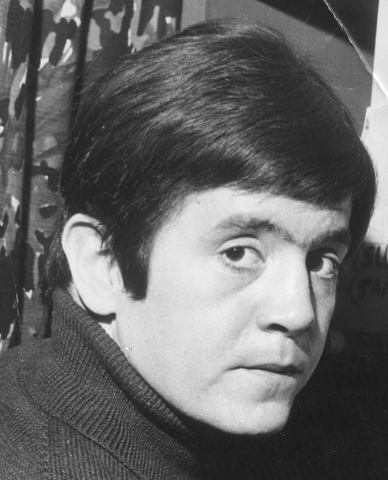 Bruce Wayne In 1966, the Batman television series captured the public's imagination. The camped up comic book adventures of the “caped crusader” were hugely
popular and “Swinging” Radio England commissioned a jingle package based on the programme's theme tune. (There are a number of the jingles here.) They actually
said “that man” rather than “Batman” to avoid any copyright problems but no one could tell listening on muddy old AM radio. One of the jingles was for a disc-jockey called “Bruce Wayne” - Batman's
secret identity. A number of different people used this jingle and name on air. Jack Curtiss tells us that he was persuaded to present a few programmes under that name before reverting to his own. He
thinks that the DJ also known as Boom Boom Brannigan tried it for size too. Then there was a third Bruce Wayne on Radio England. He was the last disc-jockey to join this short-lived venture and stayed
with the station until its closure on 13th November 1966. For a long time his true identity remained a mystery but then Jerry Hipkiss contacted The Pirate Radio Hall of Fame. He said: “The
third Bruce Wayne on Radio England was a club DJ. His real name was Dave Bennett and he was the first proper DJ I ever saw in a discotheque, this one being his residency in late 1965, the Blue Moon in Cheltenham, Gloucestershire. This
was a big ‘mod’ hangout and Dave was playing all the big soul tunes of the time. In the summer of 1966 he got the offshore bug and left for the North Sea. After the end of SRE I only ever saw him once, probably early '67,
when he said he was going on the road as a tour manager for a Beach Boys UK tour. Since then, I've heard nothing.” We asked if anyone could provide more information and, in May 2003, we heard from the man himself: “I am he,
David J Bennett, aka Bruce Wayne, and I have been living in Beverly Hills, California since 1972.” David goes on to say: “The Blue Moon club was owned by John and Eddie Norman and featured some of the great bands of that
time - The Steam Packet, Graham Bond Organisation, Zoot Money's Big Roll Band, Chris Farlowe and the Thunderbirds to name a few.” Although Jerry's reminiscences were invaluable, it seems he got one fact wrong. David says he didn't
work on a Beach Boys tour. It was Vanilla Fudge. (Jingles kindly provided by Frank George. Our thanks to David for supplying the photo.)
Bruce Wayne In 1966, the Batman television series captured the public's imagination. The camped up comic book adventures of the “caped crusader” were hugely
popular and “Swinging” Radio England commissioned a jingle package based on the programme's theme tune. (There are a number of the jingles here.) They actually
said “that man” rather than “Batman” to avoid any copyright problems but no one could tell listening on muddy old AM radio. One of the jingles was for a disc-jockey called “Bruce Wayne” - Batman's
secret identity. A number of different people used this jingle and name on air. Jack Curtiss tells us that he was persuaded to present a few programmes under that name before reverting to his own. He
thinks that the DJ also known as Boom Boom Brannigan tried it for size too. Then there was a third Bruce Wayne on Radio England. He was the last disc-jockey to join this short-lived venture and stayed
with the station until its closure on 13th November 1966. For a long time his true identity remained a mystery but then Jerry Hipkiss contacted The Pirate Radio Hall of Fame. He said: “The
third Bruce Wayne on Radio England was a club DJ. His real name was Dave Bennett and he was the first proper DJ I ever saw in a discotheque, this one being his residency in late 1965, the Blue Moon in Cheltenham, Gloucestershire. This
was a big ‘mod’ hangout and Dave was playing all the big soul tunes of the time. In the summer of 1966 he got the offshore bug and left for the North Sea. After the end of SRE I only ever saw him once, probably early '67,
when he said he was going on the road as a tour manager for a Beach Boys UK tour. Since then, I've heard nothing.” We asked if anyone could provide more information and, in May 2003, we heard from the man himself: “I am he,
David J Bennett, aka Bruce Wayne, and I have been living in Beverly Hills, California since 1972.” David goes on to say: “The Blue Moon club was owned by John and Eddie Norman and featured some of the great bands of that
time - The Steam Packet, Graham Bond Organisation, Zoot Money's Big Roll Band, Chris Farlowe and the Thunderbirds to name a few.” Although Jerry's reminiscences were invaluable, it seems he got one fact wrong. David says he didn't
work on a Beach Boys tour. It was Vanilla Fudge. (Jingles kindly provided by Frank George. Our thanks to David for supplying the photo.)
Bruce Wayne on the Midnight Early Show on “Swinging” Radio England in the early hours of 22nd October 1966. Edited from a recording included on ‘The SRE Collection’ mp3-DVD, compiled by
Offshore Radio Guide (duration 4 minutes 7 seconds)
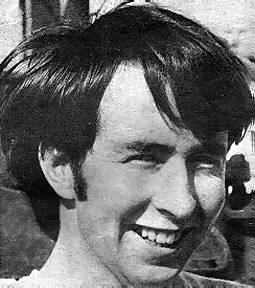 Brian Webb Born in Dunoon, Ayrshire, on 5th January 1947, Brian's family worked in farming but he found that agriculture held little appeal. Offshore radio seemed far more
interesting and, when Radio Scotland advertised for disc-jockeys, Brian was on the case. He applied for a job, was invited for an audition but, with no previous experience, he was turned down. He did not give up and three months
later he tried again. The second audition still was not good enough but Brian must have shown some promise because the Programme Controller suggested that he carried on sending him tapes and he would be happy to offer advice.
Eventually Brian passed the test and joined Radio Scotland in 1967 for the last five months that the station was on the air. Offshore Echos magazine reveals that his theme tune was Big Deal by The Tony Osborne Orchestra.
After the close-down he worked in clubs until October 1971 when he returned to sea with Radio Northsea International, using the new name Brian McKenzie (see The Pirate Radio Hall
of Fame ‘Seventies Supplement’). He was with Northsea until that station closed down in August 1974 then, after a number of different jobs, moved to Dublin. There he ran Bay
City recording studios in the building next door to Radio Nova, a station owned by Chris Cary (alias Spangles Muldoon.) He is now living in Spain. (Photo by Bob Dickson, reprinted from a copy of
‘Showbeat’ magazine kindly provided by George Morris.)
Brian Webb Born in Dunoon, Ayrshire, on 5th January 1947, Brian's family worked in farming but he found that agriculture held little appeal. Offshore radio seemed far more
interesting and, when Radio Scotland advertised for disc-jockeys, Brian was on the case. He applied for a job, was invited for an audition but, with no previous experience, he was turned down. He did not give up and three months
later he tried again. The second audition still was not good enough but Brian must have shown some promise because the Programme Controller suggested that he carried on sending him tapes and he would be happy to offer advice.
Eventually Brian passed the test and joined Radio Scotland in 1967 for the last five months that the station was on the air. Offshore Echos magazine reveals that his theme tune was Big Deal by The Tony Osborne Orchestra.
After the close-down he worked in clubs until October 1971 when he returned to sea with Radio Northsea International, using the new name Brian McKenzie (see The Pirate Radio Hall
of Fame ‘Seventies Supplement’). He was with Northsea until that station closed down in August 1974 then, after a number of different jobs, moved to Dublin. There he ran Bay
City recording studios in the building next door to Radio Nova, a station owned by Chris Cary (alias Spangles Muldoon.) He is now living in Spain. (Photo by Bob Dickson, reprinted from a copy of
‘Showbeat’ magazine kindly provided by George Morris.)
Brian Webb on the All Systems Go show on Radio Scotland from July 1967. The recording is courtesy of James Hutchinson and the Offshore Multimedia CD-ROM (duration 2 minutes 6 seconds)
More of Brian Webb on an All System Go show on Radio Scotland from July 1967. Recording kindly provided by Manfred Steinkrauss (duration 4 minutes 50 seconds)

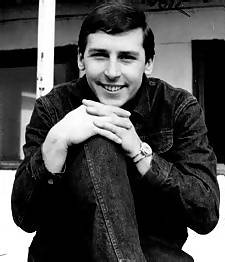 Graham Webb Born in Parramatta, Australia on 19th April 1936, Graham “Spider” Webb got into broadcasting via a career as a telegram delivery boy. The film
star Rod Taylor asked Graham's help in playing a practical joke on a colleague and was so impressed by his voice that he persuaded him to give up delivering telegrams and train to be a broadcaster. This led to Graham
becoming one of Australia's top DJs before deciding to try his luck in Europe. He worked for Radio Monte Carlo, Radio Norway and the Voice of Germany before ending up on Radio Caroline South in 1965. After time as a
DJ, with a show called Cobweb Corner, he became news director for the Caroline network organising the Newsbeat bulletins for both ships. He also commentated on offshore radio's only on-air wedding, that of DJ
Mick Luvzit to Janet Terrett. After his time at sea Graham returned home where he has had a successful radio and television career, including presenting the Australian version of Blind Date.
He was also heard again on British radio when he introduced the Australian segment of Family Favourites on BBC Radio 2. Graham returned to the UK in August 2002 for a DJ reunion and photos of the event can be seen on the
Radio London website and Offshore Radio Nostalgia's Flickr page. He also attended a DJ reunion in Vancouver in July 2004, the August 2007 Radio Academy Celebration of Offshore Radio and the Offshore 50
reunion in August 2017. There is an interview with him here. His final years were spent at Harmony FM, a community station serving the Hawkesbury region of New South Wales, Australia.
Graham died on 26th April 2024, aged 88. Our tribute to him is here. (Many thanks to Nigel Fell for some information and to Graham himself. As well as the audio, below, Graham can be heard in a clip on the
Mick Luvzit tribute page and there are others on the pages dealing with the loan of the Cheeta II and the return of the Mi Amigo. This photo was sent to
the webmaster by Graham when he was on Radio Caroline South.)
Graham Webb Born in Parramatta, Australia on 19th April 1936, Graham “Spider” Webb got into broadcasting via a career as a telegram delivery boy. The film
star Rod Taylor asked Graham's help in playing a practical joke on a colleague and was so impressed by his voice that he persuaded him to give up delivering telegrams and train to be a broadcaster. This led to Graham
becoming one of Australia's top DJs before deciding to try his luck in Europe. He worked for Radio Monte Carlo, Radio Norway and the Voice of Germany before ending up on Radio Caroline South in 1965. After time as a
DJ, with a show called Cobweb Corner, he became news director for the Caroline network organising the Newsbeat bulletins for both ships. He also commentated on offshore radio's only on-air wedding, that of DJ
Mick Luvzit to Janet Terrett. After his time at sea Graham returned home where he has had a successful radio and television career, including presenting the Australian version of Blind Date.
He was also heard again on British radio when he introduced the Australian segment of Family Favourites on BBC Radio 2. Graham returned to the UK in August 2002 for a DJ reunion and photos of the event can be seen on the
Radio London website and Offshore Radio Nostalgia's Flickr page. He also attended a DJ reunion in Vancouver in July 2004, the August 2007 Radio Academy Celebration of Offshore Radio and the Offshore 50
reunion in August 2017. There is an interview with him here. His final years were spent at Harmony FM, a community station serving the Hawkesbury region of New South Wales, Australia.
Graham died on 26th April 2024, aged 88. Our tribute to him is here. (Many thanks to Nigel Fell for some information and to Graham himself. As well as the audio, below, Graham can be heard in a clip on the
Mick Luvzit tribute page and there are others on the pages dealing with the loan of the Cheeta II and the return of the Mi Amigo. This photo was sent to
the webmaster by Graham when he was on Radio Caroline South.)
Graham Webb presenting the Caroline Countdown of Sound on Radio Caroline North, 17th September 1966, near the end of his time with the station. Tape courtesy of Ray Andrews (duration 4 minutes 26 seconds)
|


